
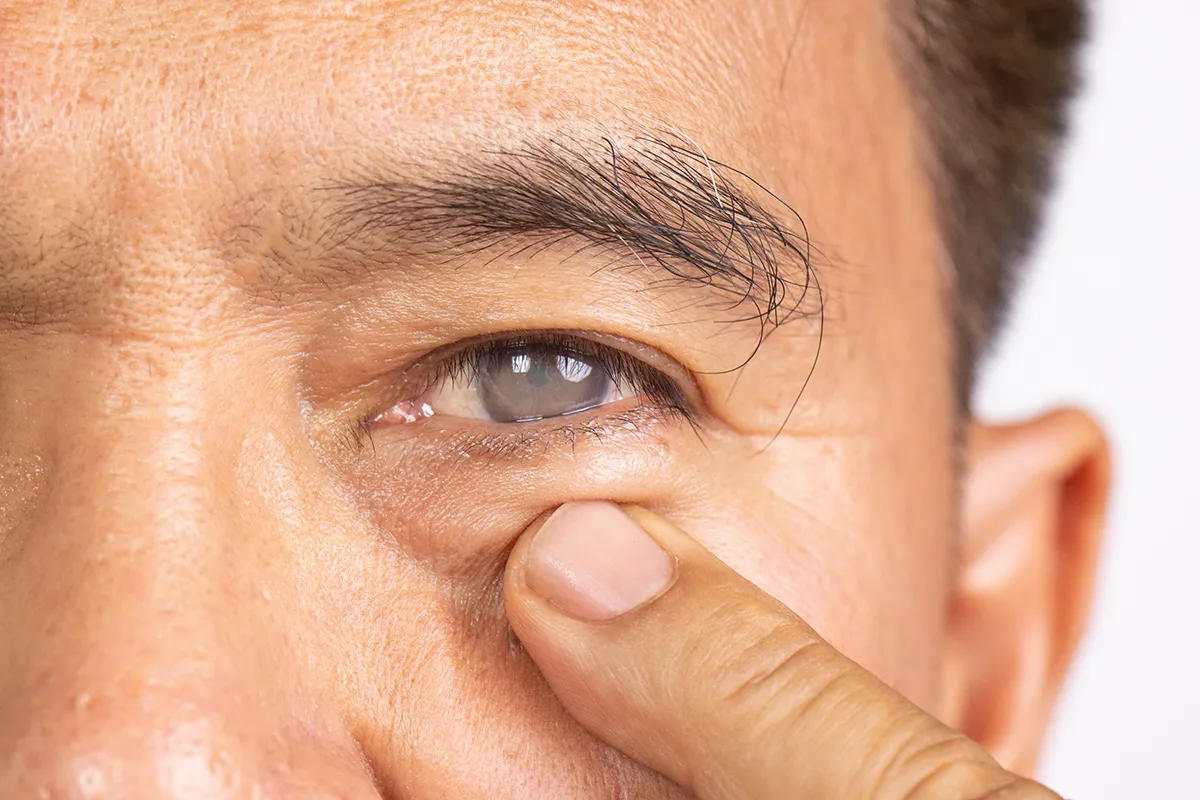
Glaucoma often develops quietly, without obvious pain or early changes you’d notice day to day. That’s why a comprehensive eye exam can be so valuable. It helps catch risk factors and early damage before vision loss becomes noticeable.
What is glaucoma?
Glaucoma isn’t one single condition. It’s a group of eye diseases that damage the optic nerve, which is the “cable” that carries visual information from your eye to your brain. Over time, that damage can shrink your field of vision, often starting with peripheral (side) vision.
Many people associate glaucoma with high eye pressure, and pressure can be part of the story. However, some people develop glaucoma with “normal” eye pressure, while others have high pressure and never develop optic nerve damage. That’s why seeing an eye doctor regularly matters: diagnosis isn’t based on one number.
What causes glaucoma?
Glaucoma is most often linked to how fluid (aqueous humor) drains inside the eye. Your eye constantly makes and drains fluid. If drainage is too slow, pressure may build up and stress the optic nerve.
Common contributors include:
- Drainage system changes inside the eye over time
- Higher-than-average eye pressure
- Reduced blood flow to the optic nerve
- Genetics
- Other eye conditions or injuries that affect internal eye structures
There are also different types of glaucoma. The most common (open-angle) tends to progress gradually. A less common type (angle-closure) can be sudden and severe, and it’s a medical emergency.
Are you at risk? Signs, history, and everyday factors
Glaucoma risk increases with age, but it’s not just an “older adult” issue. Your personal health history and even your family tree can raise your risk.
You may be at higher risk if you:
- Have a family history of glaucoma
- Are 40+
- Have high eye pressure or “ocular hypertension”
- Have diabetes, high blood pressure, or circulation concerns
- Are very nearsighted or have certain corneal measurements
- Have had an eye injury or eye surgery
- Use steroid medications
A couple of mild factors may not mean much, but stacking several together is worth paying attention to.
Glaucoma symptoms: what to watch for
One of the most frustrating parts of glaucoma is that early glaucoma symptoms are often absent. Many people feel completely fine while damage is slowly occurring.
Possible glaucoma symptoms may include:
- Gradual loss of side vision
- Trouble seeing in dim lighting
- Hazy vision
- Frequent changes in glasses prescription
- Halos around lights
For sudden angle-closure glaucoma, symptoms can be more dramatic:
- Severe eye pain or headache
- Nausea/vomiting
- Sudden blurred vision
- Red eye with halos around lights
If sudden symptoms show up, seek emergency eye care right away.
A comprehensive eye exam can help detect glaucoma early
During a comprehensive eye exam, we can assess multiple pieces of the puzzle, such as:
- Eye pressure measurement
- Optic nerve appearance
- Peripheral vision testing (visual field)
- Imaging that tracks optic nerve and retinal nerve fiber layer changes
- Angle assessment and other measurements that clarify risk
Glaucoma can be detected before you “feel” anything is wrong, which is especially important because lost vision from glaucoma can’t be restored.
Keep your vision on your side with proactive care
Glaucoma is easier to manage when it’s found early, before it affects daily life. If it’s been a while since you’ve seen an eye doctor, or you have risk factors that keep popping into your head as you read this, it’s a great time to get clarity. Schedule an appointment with Dr. C Vision Care in Pensacola to book your comprehensive eye exam and get personalized guidance on your glaucoma risk.