
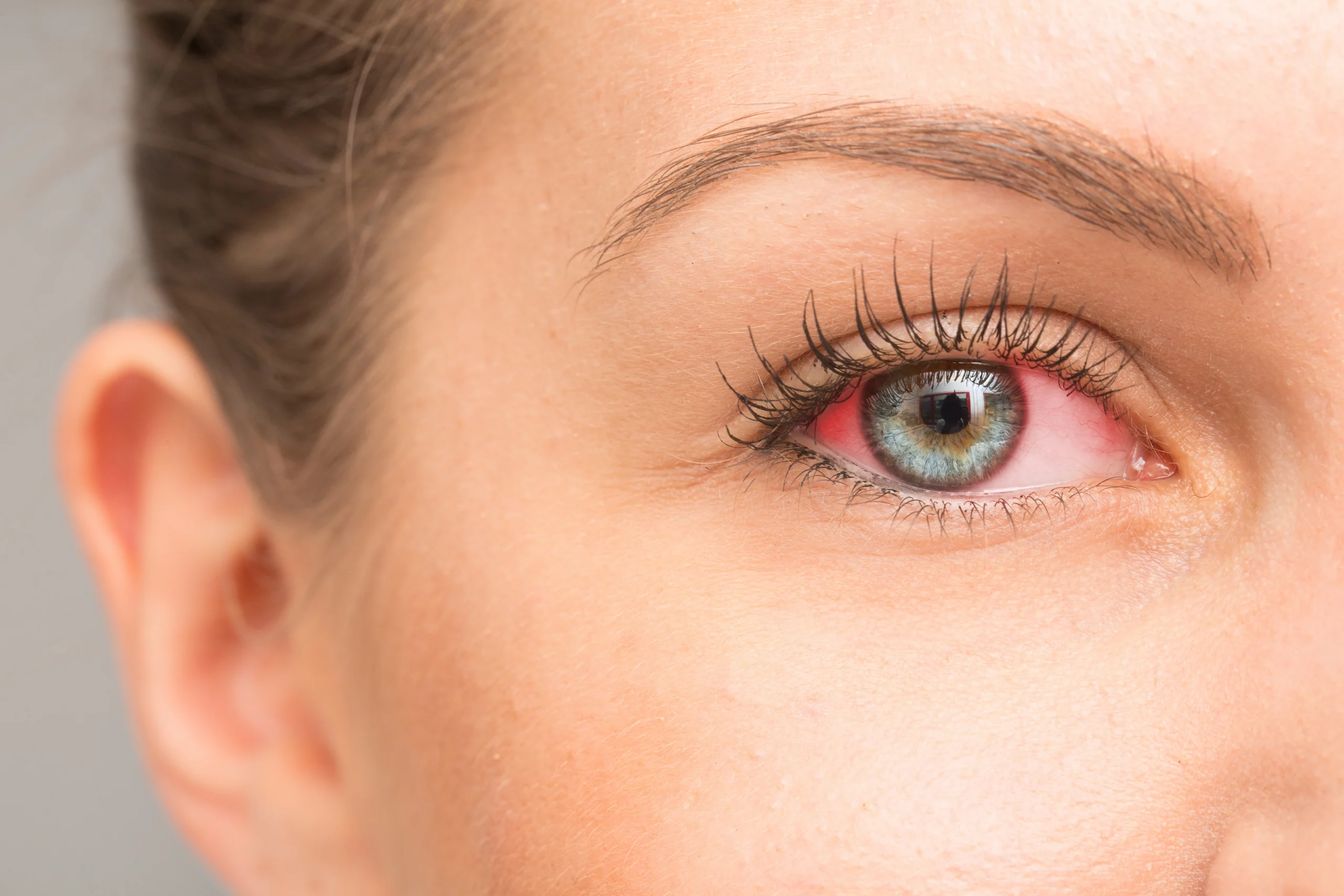
Watery eyes are easy to brush off until you’re blotting your cheeks in the middle of a meeting, your vision looks hazy while you drive, or your eyes start to sting the second you step outside. A comprehensive eye exam is one of the most helpful ways to figure out why your eyes are watering, because the cause isn’t always what you’d expect.
If you’ve been dealing with watery eyes on and off (or constantly), let’s walk through what’s most commonly behind it and what actually helps.
Why eyes water even when they feel dry
It may surprise you to learn that dryness can trigger watering. When the surface of your eye is irritated or your tears evaporate too quickly, your eyes may “panic” and overproduce watery tears. Those tears don’t always have the right oil balance to stay put, so they spill over your lower lid.
You might notice:
- Watery eyes that come with burning or scratchiness
- Blurred vision that clears after blinking
- Watering that’s worse with screens, wind, or heat
- Redness around the eyelids or lash line
Common causes of watery eyes
Watery eyes usually fall into two buckets: too many tears being produced or tears not draining properly. Here are some of the most frequent culprits:
- Allergies and irritants (pollen, pet dander, dust, smoke, fragrance)
- Dry eye disease (including meibomian gland dysfunction)
- Pink eye or other infections that inflame the surface of the eye
- Blepharitis (inflammation at the eyelid edges that can cause crusting and watering)
- Contact lens irritation or overwear
- A foreign body (an eyelash, makeup debris, or grit)
- Blocked tear ducts or drainage issues (more common as we age)
- Eyelid position changes (lids that turn slightly in or out can disrupt tear flow)
If your watery eyes come with significant pain, light sensitivity, thick discharge, or sudden vision changes, it’s worth getting checked promptly.
Tips to stop watery eyes at home
If you’re trying to stop watery eyes at home, start with gentle steps that won’t aggravate the eye further:
- Use preservative-free lubricating eye drops for irritation-related watering (especially with screen time).
- Try warm compresses for 5–10 minutes to support oily tear flow if dryness is part of the problem.
- Rinse allergens away by washing your face and eyelids after outdoor time; keep pillowcases clean.
- Take screen breaks (blink fully and often—partial blinks worsen evaporation).
- Avoid “get the red out” drops unless we’ve recommended them; they can backfire with frequent use.
If you wear contacts, switch to glasses for a few days and see whether the watering settles down.
When treatments go beyond basic eye drops
If watery eyes keep returning, you may need a more specialized treatment. That could include allergy strategies, dry eye therapies, eyelid hygiene routines, or addressing drainage issues.
If your eyes water alongside burning, fluctuating blur, or chronic irritation, don’t assume it’s “just allergies.” Schedule an appointment with an experienced eye doctor to determine the cause and potential solutions for your discomfort.
Depending on what you’re experiencing, your evaluation may include:
- A close look at the eyelid margins and glands
- Checks for dryness patterns and tear quality
- Assessment of drainage and lid position
- Guidance on which eye drops (if any) match your specific issue
The goal is simple: help your eyes feel comfortable again and keep watery eyes from running your day.
Clearer, calmer eyes start with answers
If you’re ready for real clarity on what’s causing your tearing (and what will actually help), schedule an appointment for an eye evaluation at Dr. C. Vision Care in Pensacola. We’ll look at the full picture, recommend options that fit your day-to-day life, and help you get back to seeing and feeling your best.